

Health Psychology
Gatchel, Baum & Krantz (1989) An Introduction to Health Psychology
Health
Psychology has grown from the merging of medicine,
community psychology, various applied psychologies,
and even medical anthropology.
I. The development of Psychosomatic Medicine
-Prior to WWI there was little work done by psychologists, mostly
by psychiatrists, Freud for example on the nature of conversion disorders.
Beginning more formally as early as 1911 when
APA had a symposium on
"The Relations of Psychology and Medical Education"
Edward Alexander "Ned" Bott (1887-1974) University of Toronto
-WWI - Mechanotherapy: Veteran
rehabilitation
-Treat the whole man, not just the wounded body.
-1928 Teaching of psychology in the medical course
-need to study psychological aspects of disease status
Wolff
(1950) brought to bear the relationship between
stress and adaptation in health and disease states
Psychosomatic medicine was recognised through the work of:
Hans
Selye (1956), The Stress of Life, interest grew on the
relationship between thoughts and physiology (akin to placebo effects).
GAS
-
General Adaptation Syndrome
-
Three stage process of stress response: alarm,
resistance, exhaustion.
A non-specific response to prolonged stress that is based upon A.N.S.
hormonal (adrenaline, nor-adrenaline, & adrenal corticosteroid)
reactions.
1960-1970's
observed more interest on stress and health issues, including
post-traumatic stress disorder (shell-shock) and cardiovascular disease
(Type-A).
1980's
as a field of study, Health psychology flourished, marked by
several journals having special issues on health psyc or behavioural medicine
Based
primarily on the study of the Autonomic Nervous System
(ANS) arousal and physiological effects of prolonged "stress"
new techniques for dealing with stress were revealed, such as
biofeedback, meditation, behvioural reinforcement
for dealing
with hypertension and cardiovascular disease.
Psychoneuroimmunology
- AIDs, cancer and related diseases
of the immune system have been studied to see how directed thinking
or imagery can be used t o fight disease and aid the recovery process.
Pain and Pain Management
have also been extensively studied by health
psychologists, in particular at McGill University. Melzack and the
Gate Control Theory of Pain, Phantom (limb) Pain, strategies for
reducing pain perception, and differences in pain perception across cultures.
Patient and Health Care Provider Behaviour and what leads to
optimum healing. Patients taking their medicine as per directed,
being "good" patients. Doctors and nurses using good positive
'bedside manners' that will help patients feel better and heal faster.
Acknowledging the risks, and giving the right type and amount
of information to patients and their families
Prevention of disease and promotion of good health - programmes of education and information dissemination that will help people help themselves to healthier and longer lives.
Drawing from this tradition of health psychology from "general psychology", . . .
II.
Health Psychology in Global Perspective
(Aboud,
1998) presents health psychology across the globe,
but largely from a North-American Perspective.
Defines
International Health as:
"a multinational perspective on the states of people's health,
[involving their] seeking knowledge and effective action
strategies through a systematic examination of health problems,
their determinants, their solutions around the world" (p.2).
This
involves many levels of understanding: from biochemical through,
psychological and social, economic (and political).
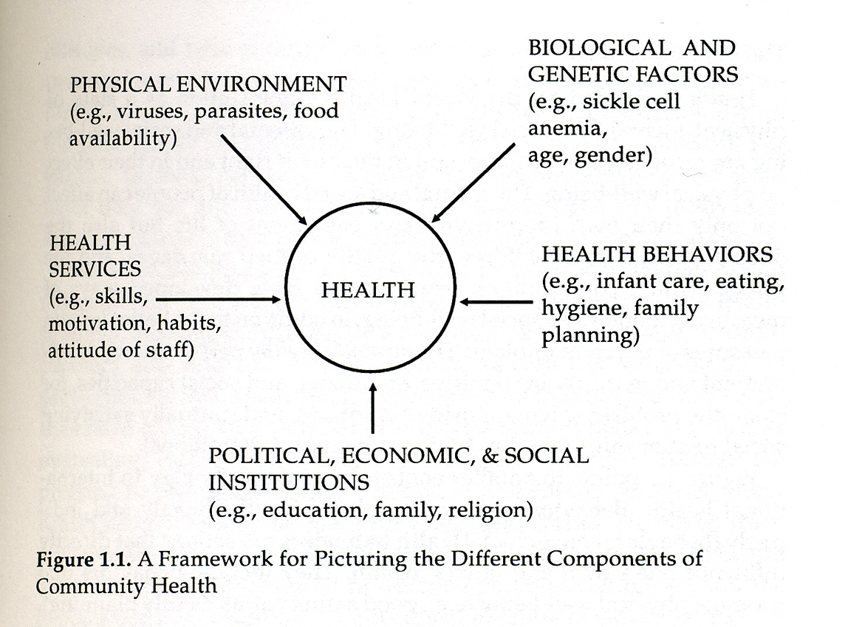
[Figure 1-1: A framework for picturing Community Health]
The
United Nations plays a role in this discipline through
World Health Organisation (WHO), United Nations Children's Education Fund
(UNICEF), World Bank, and United Nations Development Programme
WHO defines
health as
"a state of physical, mental and social wellbeing" and
mental health as "[when a] person shows development
and maturity in cognitive, emotional, and social capabilities"
eg., problem solving, positive emotions, mutually satisfying social
relationships.
There is a focus on health behaviours along with attitudes,
knowledge, motivation, and behavioural diagnosis.
Collectively Health psychology studies many topics, including:
Genetic and biological factors (sickle cell anemia, age, gender)
Physical environment (viruses, parasites, food availability)
Health Services (skills, motivation, habits, attitude, of staff)
Health Behaviours (infant care, eating, hygiene, family planning)
Political, Economic, & Social Institutions (education, family, religion)
Using a
BioPsychoSocial framework Aboud suggests
that health psychologists seek to understand health and illness
through the biological, psychological and social orientations,
making for an 'interdisciplinary' approach to understanding
and helping to solve international social and health problems.
Makes
use of the above perspectives to address issues like:
Acute respiratory infection
(pneumonia-caused by viruses, bacteria or chemicals),
Diarrhoeal diseases
(E coli, cholera - treated with salt water
having a few extra electrolytes and glucose to better absorption
and retention of water). Now have salt sachets
that can be added
to water in varying amounts any where around the world to
save lives.
Other
diseases include leprosy (mycobacterium
leprae -
mild only scaring, while severe may cause neural, muscular,
and bone disfigurement. Is treatable with drugs, currently
there are 2.4 million people globally infected),
malaria, malnutrition, measles, neonatal tantrums, poliomyelitis,
tuberculosis, AIDS, over-population, starvation, . . .
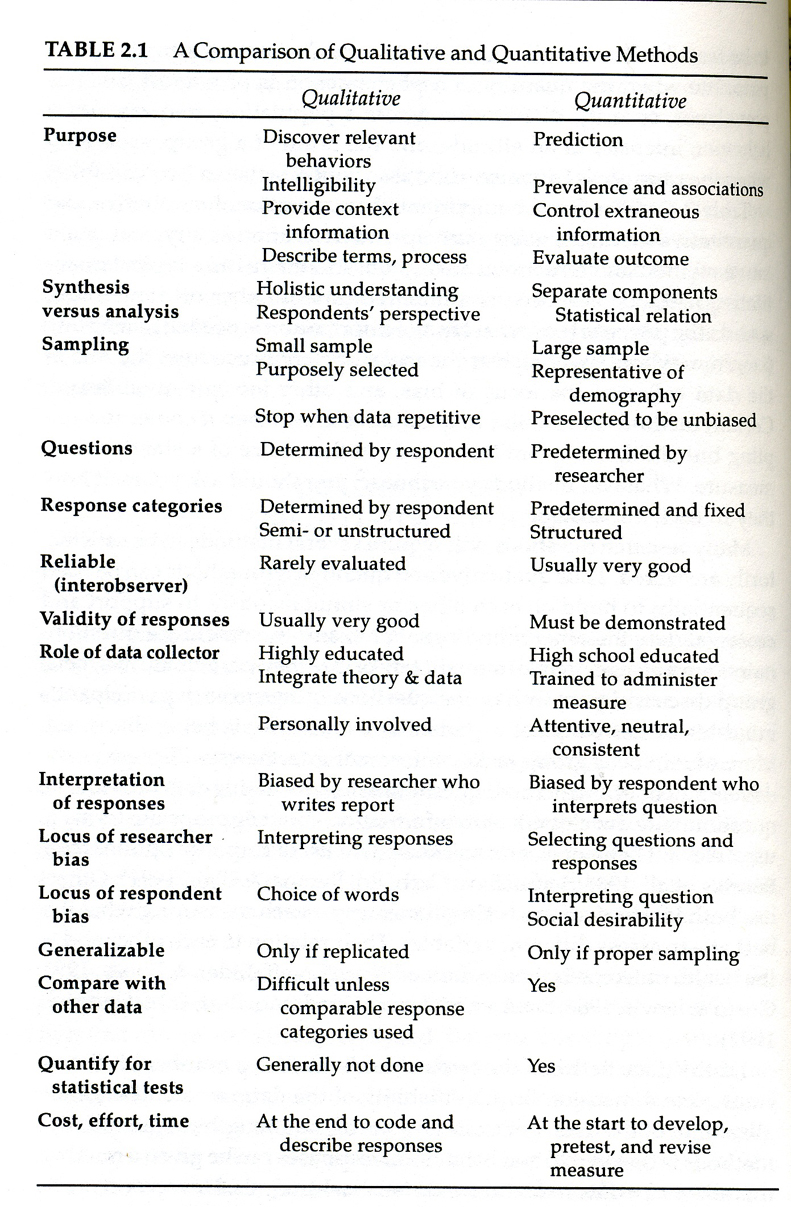
Methods
include a wide variety such as: Focus groups,
participant observation, systematic non-participant observation,
key informant interviews, structured self-report questionnaires (Aboud, 1998).
Both
quantitative and Qualitative work.
III. Global Issues
Family Planning
Aboud
(1998) reports that 26%
of births in developing countries are unwanted.
There were 5.96 Billion people on earth in 1996!
-Examine
birth rates, mortality rates, also concerned over
maternal mortality, suggesting that antenatal
and postnatal care
be improved.
-Contraceptive
use and incentives or costs for compliance
with programmes
-In
various programmes in India, Sri Lanka, Taiwan and
Thailand there were cash payments, retirement bonuses,
education funds or livestock for couples who refrain from
having more children.
-In one
place women were given piglets to raise
(getting a second if not pregnant 9 months later),
in women are penalised for having a third child.
-Ethicsof such programmes - (sterilisation) ?
Berry
et al., (1992)
discuss these issues as well as cultural factors.
-Focus on socialisation, education, nutrition, acculturation,
public health programmes, organisation of health services
and public campaigns (MADD)
Malaria
- 150
Million clinical cases per year- caused by parasite in mosquito
-Traditional "Vertical Method" of government or health
boards determining the regime of spraying insecticides
(DDT) and treating with drugs (quinine).
-Sarvodaya
Project in Sri Lanka - public
participation in the
mosquito control and self-examination for symptoms. 3 important changes:
1)
Villagers used to accept malaria as part of life, but having them
recognise it as a disease it can be treated - actually do something about it.
2)
Rejection of the vertical approach and the "heavy-handed and noxious"
approach of the "experts" did not have to treat many other conditions
that arose from the DDT and other chemicals through Ayurvedic Medicine.
3)
Carryout research to better understand the symbiotic relationship
between human behaviour and mosquito behaviour (prefers animals)
Child Survival
Growth monitoring (malnutrition and starvation),
oral re-hydration (diarrhoeal diseases), Breast feeding promotion
(nutritional & immuno effects), immunisation (major diseases).
Malnutrition and Psychosocial development is a complex issue
involving ecological, ecomomic, social and cultural (political) issues.
-Usually involves estimates of nutritional status and protein-energy levels
-Assessment using metabolism and clinical signs
such as weight wasting
(vs. height) - for short-term and height (vs. age) - for long term.
-May
have an impact on intelligence through direct route to CNS
or through indirect route through functional isolation.
-Functional
Isolation involves the loss of social interaction, activity levels,
exploratory behaviour, attention, and motivation due to lack of nourishment.
-Interventions
have traditionally been to bring food, but it appears that more social
and behavioural assistance is also needed to help recognise and treat other
effects.
HIV and AIDS
HIV and AIDS have been growing and spreading in Canada and around the globe since the early 1980s. Risk varies across the population, those who are involved in intravenous drug use, receiving blood products or in an aboriginal population are at higher risk.
The physiological effects of human immunodeficiency virus include neoplasms (i.e., non-Hodgkins lymphoma, Karposi sarcoma).
Psychological distress and HIV/AIDS - issues of self esteem, depression, anxiety.
Helping People Cope with HIV/AIDS - Since SSRIs may lead to a deterioration of their condition, therapy can be beneficial.
HIV/AIDs in the international perspective.
Tonks (2003)identifies a number of issues at play when looking at HIV/AIDS from the
perspective of International Health psychology. This was prepared as commentary
on the work of
Lubek et al.'s SiRCHESI
project in Cambodia began with the "Beer
Girls"


 Siem Reap Photos
Stephen
Lewis : sounds like Canada-Independent Eye &
CBC Journal. (2006)
CBC's Michael Enright and
The
Sunday Edition Nov 14th, 2010 - Hour Three
take a look at the battle against AIDS in
Lesotho
Cultural Perspectives on Health
References
Aboud, F. E. (1998). Health Psychology in Global Perspective. Thousand Oaks, Ca: Sage.
Gatchel, R.J., A. Baum, & D. S. Krantz (1989). An introduction to health psychology (second edition). New York: Random House